Troubleshooting a Circuit Breaker That Won't Stay Reset
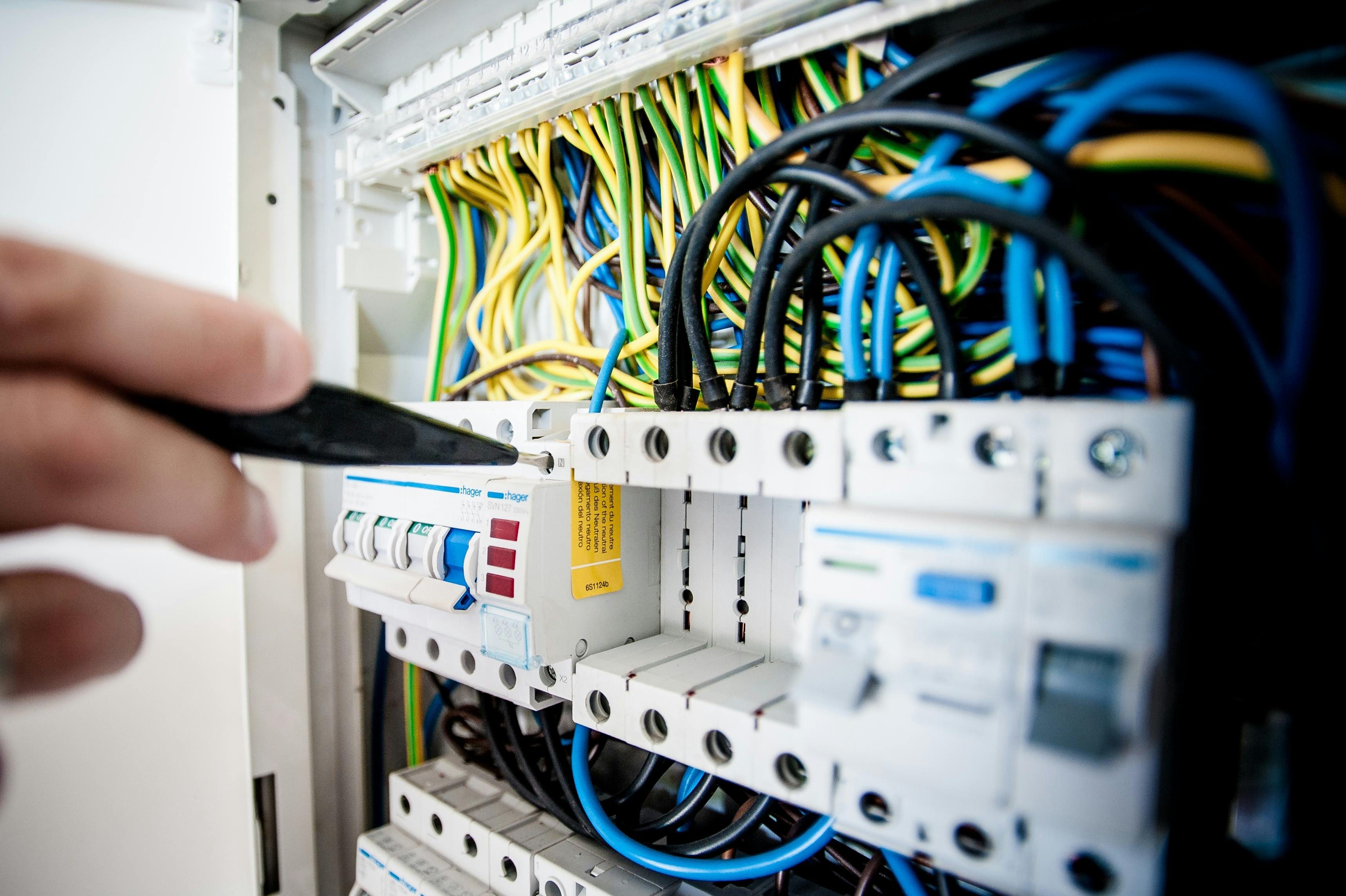
Breaker Keeps Tripping With Nothing Plugged In
A circuit breaker that trips is doing its job - protecting your home from electrical hazards. But when it keeps tripping with nothing plugged in, you have a wiring problem that needs attention.
Understanding Why Breakers Trip
Circuit breakers trip for three main reasons:
1. Overload
Too much current flowing through the circuit. This shouldn't happen with nothing plugged in.
2. Short Circuit
A "hot" wire touching a neutral or ground wire. This CAN happen with nothing plugged in.
3. Ground Fault
Current flowing through an unintended path (like through moisture). This CAN happen with nothing plugged in.
Common Causes When Nothing Is Plugged In
Damaged Wire Insulation
What happens: Wire insulation breaks down, allowing wires to touch.
Causes:
- Rodent damage (rats and mice chewing wires)
- Age-related deterioration
- Nails or screws through wires
- Overheating damage from past events
Signs:
- Tripping happens at random times
- No pattern to when it trips
- May smell burning occasionally
Faulty Outlet or Switch
What happens: Internal failure in an outlet or switch creates a short.
Causes:
- Worn out components
- Loose internal connections
- Water damage
- Physical damage
Signs:
- Tripping started recently
- Outlet shows scorch marks or damage
- Switch feels different when operated
Hardwired Appliance Problem
What happens: An appliance wired directly to the circuit is faulty.
Common culprits:
- Garbage disposal
- Dishwasher
- Built-in microwave
- Bathroom exhaust fan
- Smoke detectors
- Doorbell transformer
Signs:
- Tripping correlates with appliance use
- Appliance makes unusual sounds or smells
Water in Electrical Box
What happens: Moisture creates a path for current to ground.
Causes:
- Roof leak
- Pipe leak
- Condensation
- Flooding
Signs:
- Tripping worse in wet weather
- Outlet near water source
- Visible moisture or corrosion
AFCI Breaker Sensitivity
What happens: Arc-Fault Circuit Interrupters can trip from normal electrical noise.
Causes:
- Certain appliances (vacuums, treadmills)
- Loose connections anywhere on circuit
- Shared neutral issues
- Defective breaker
Signs:
- Only AFCI-protected circuits trip
- New breaker installation preceded problem
- Tripping when certain devices operate elsewhere in home
Failing Breaker
What happens: The breaker itself is worn out or defective.
Causes:
- Age (breakers do wear out)
- Multiple trip events
- Manufacturer defect
- Overheating damage
Signs:
- Breaker feels different when switching
- Breaker doesn't snap firmly to ON
- Tripping increased over time
Safe Troubleshooting Steps
Step 1: Map the Circuit
Identify everything on the tripping circuit:
- Use a circuit finder tool
- Note all outlets, switches, and hardwired devices
- Document what's actually on that circuit
Step 2: Visual Inspection
Look for obvious problems:
- Check outlets for scorch marks
- Look for damaged switch plates
- Inspect visible wiring for damage
- Check for water stains near electrical
Step 3: Disconnect Hardwired Items
If safe and accessible:
- Turn off breaker
- Disconnect garbage disposal
- Disconnect other hardwired devices
- Reset breaker and test
Step 4: Test with New Breaker
If you're comfortable with electrical work:
- Replace the breaker with same type and amperage
- If tripping stops, old breaker was the problem
- If tripping continues, wiring issue exists
⚠️ STOP HERE if:
- You're not comfortable with electrical work
- You see any signs of burning or damage
- Multiple breakers are tripping
- You can't locate the problem
When to Call an Electrician
Call immediately if:
- You smell burning
- You see scorch marks or melting
- The breaker won't reset at all
- You feel shock or tingle from outlets
- Multiple circuits are tripping
Call soon if:
- You've tried basic troubleshooting without success
- The circuit powers important things (refrigerator, HVAC)
- Your home has old wiring (pre-1980)
- You're not sure what's on the circuit
What the Electrician Will Do
Professional Diagnosis:
1. Circuit tracing - Map exactly what's on the circuit
2. Insulation testing - Check for wire damage
3. Thermal imaging - Find hot spots
4. Connection testing - Verify all connections are tight
5. Breaker testing - Confirm breaker function
Common Fixes:
- Replace damaged wiring section
- Repair or replace faulty outlet/switch
- Fix loose connections
- Replace failing breaker
- Address moisture issues
Electrical Safety in Brooklyn
Many Brooklyn homes have electrical systems that are reaching their limits:
- Older panels may have worn breakers
- Pre-war wiring is more susceptible to damage
- Rodent issues are common in older buildings
- Plumbing leaks can affect nearby electrical
If you're in an older Brooklyn home experiencing random breaker trips, don't ignore it. What seems like an annoyance could indicate a serious safety issue.
Jetco Electrical: Brooklyn's Breaker Experts
We diagnose and fix tripping breakers every week. Our process:
1. Thorough circuit analysis
2. Advanced diagnostic testing
3. Clear explanation of the problem
4. Upfront pricing before any work
5. Quality repairs that last
Tired of resetting breakers?
Call: (667) 455-6368