Electrical Safety 101: Understanding Grounding and Bonding in Your Home
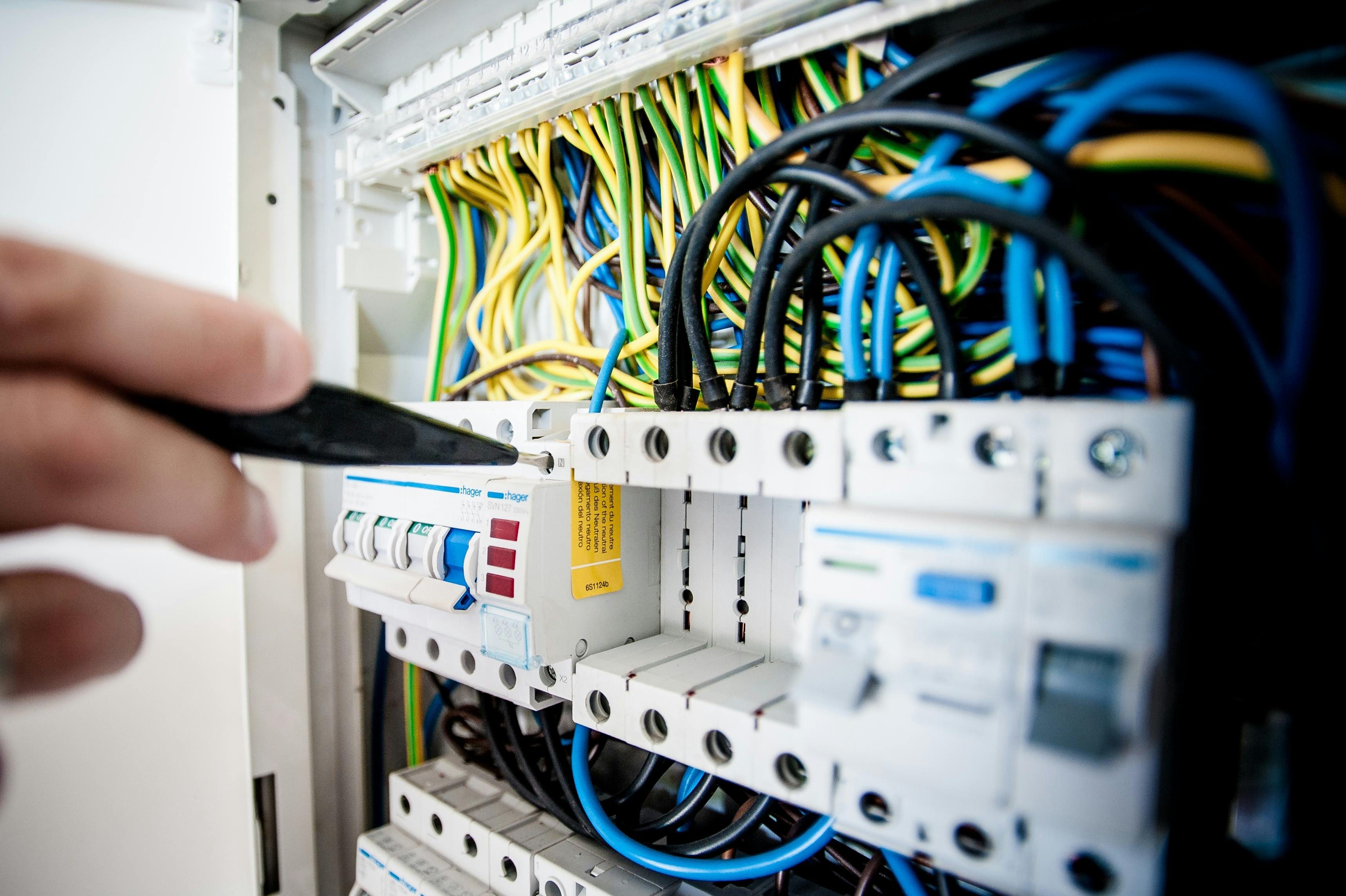
Grounding vs Bonding: What's the Difference?
These two terms are often confused, but they serve different - and equally important - safety functions in your home's electrical system.
What Is Grounding?
Grounding provides a safe path for electricity to flow to the earth in case of a fault.
How It Works:
1. Your electrical system connects to a grounding electrode (usually a rod driven into earth)
2. In normal operation, no current flows through ground
3. If a fault occurs (like a hot wire touching a metal box), current flows to earth
4. This trips the breaker, cutting power before someone gets shocked
Types of Grounding:
System Grounding:
- Utility transformer neutral connected to earth
- Your panel's neutral bar connected to grounding electrode
- Establishes reference point for electrical system
Equipment Grounding:
- Third prong on outlets (equipment grounding conductor)
- Green or bare copper wires
- Connects metal parts of equipment to ground
- Protects you if equipment fails
Grounding Components:
- Grounding electrode: Metal rod driven 8+ feet into earth
- Grounding electrode conductor: Heavy copper wire from electrode to panel
- Equipment grounding conductor: Green or bare wire in cables
- Grounding bar: Where grounds connect in panel
What Is Bonding?
Bonding connects all metal parts together so they're at the same electrical potential.
How It Works:
1. All metal parts (pipes, ductwork, equipment) are connected together
2. This keeps everything at the same voltage
3. If one part becomes energized, they all rise together
4. No voltage difference means no shock hazard between them
Why Bonding Matters:
Without bonding:
- Touch a live metal pipe and grounded appliance simultaneously
- Your body becomes the path for current
- Electrocution risk
With bonding:
- Both are at same potential
- No current flows through your body
- Safety maintained
What Gets Bonded:
- Metal water pipes
- Gas piping
- HVAC ductwork
- Metal siding
- Structural steel
- Communications cables
- Swimming pools and hot tubs
Grounding vs Bonding: Key Differences
| Aspect | Grounding | Bonding |
|--------|----------|---------|
| Purpose | Provides path to earth | Connects metal parts together |
| When activated | During fault condition | Always present |
| Protects against | Electrical faults | Voltage differences |
| Connects to | Earth/ground | Other metal objects |
| Code requirement | Yes (NEC) | Yes (NEC) |
How to Tell If Your Home Is Properly Grounded
Check Your Outlets:
Three-prong outlets:
- Suggest grounding wire present
- But doesn't guarantee proper connection
- Use outlet tester to verify
Two-prong outlets:
- No equipment ground
- Common in pre-1960 homes
- Safety concern for modern electronics
Test with Outlet Tester:
A simple tester ($10-15) will show:
- Correct wiring
- Open ground (no ground connection)
- Reversed polarity
- Other wiring faults
Check Your Panel:
Look for:
- Large bare copper wire going to ground rod
- Neutral and ground bars may be bonded (only at main panel)
- All ground wires connected
Professional Testing:
Electrician can verify:
- Ground rod resistance
- Continuity of grounding conductors
- Proper bonding connections
- Code compliance
Common Grounding Problems
1. Missing Ground Wires
Common in: Pre-1960 homes
Problem: No equipment ground to outlets
Solution:
- Rewire with grounded cable
- Add GFCI protection (provides shock protection without ground)
2. Bootleg Grounds
What it is: Jumper from neutral to ground at outlet
Problem: Dangerous - creates shock and fire risk
How to detect: Professional testing or outlet tester patterns
Solution: Proper rewiring by electrician
3. Broken Grounding Electrode System
What happens: Connection to ground rod deteriorates
Problem: No effective ground path
Solution: New grounding electrode installation
4. Missing Bonding
What happens: Metal pipes not connected to grounding system
Problem: Shock hazard, especially in bathrooms and kitchens
Solution: Install bonding jumpers
Common Bonding Problems
1. Water Meter Bypass
What happens: Bonding jumper removed or never installed at water meter
Problem: Pipe system loses its ground connection
Solution: Install bonding jumper across meter
2. Plastic Pipe Replacement
What happens: Metal pipes replaced with plastic, breaking bonding path
Problem: Remaining metal sections may become energized
Solution: Re-establish bonding to remaining metal
3. Gas Pipe Bonding
What happens: Gas piping not bonded or bond connection deteriorates
Problem: Static discharge risk, shock hazard
Solution: Proper bonding per code (CSST piping requires specific bonding)
Why This Matters in Brooklyn
Pre-War Buildings:
- Often have no equipment grounding
- Metal pipes may be only "ground" (not proper)
- Bonding often never installed or deteriorated
When Original Wiring Was Installed:
- Different code requirements
- Different understanding of grounding
- Updates happened piecemeal
Modern Safety Requires:
- True equipment grounding
- Proper bonding of all metal systems
- GFCI protection in wet areas
- AFCI protection for fire prevention
Signs Your Home Has Grounding/Bonding Issues
You May Notice:
- Tingling from faucets or appliances
- Small shocks from touching metal objects
- Two-prong outlets throughout
- Outlet tester shows "open ground"
Electrician May Find:
- Missing grounding electrode
- Improper bonding jumpers
- Bootleg grounds
- Deteriorated connections
Getting Your Home Properly Grounded
Assessment:
Professional inspection to identify:
- Current grounding status
- Bonding completeness
- Code deficiencies
- Safety hazards
Typical Upgrades:
Grounding electrode system:
- Install ground rod(s)
- Run grounding electrode conductor
- Connect to panel
- Cost: $300-600
Bonding improvements:
- Install bonding jumpers
- Connect metal systems
- Verify continuity
- Cost: $150-400
Rewiring for ground:
- Replace ungrounded cables
- Comprehensive project
- See whole-house rewiring costs
GFCI alternative:
- Install GFCI outlets/breakers
- Provides personnel protection
- Doesn't provide equipment ground
- Cost: $75-150 per location
Protect Your Brooklyn Home
Jetco Electrical provides comprehensive grounding and bonding services:
✓ Grounding system inspection
✓ Bonding verification
✓ Ground rod installation
✓ Bonding jumper installation
✓ Code compliance upgrades
Not sure if your home is properly grounded?
Schedule an inspection: (667) 455-6368