Recessed Lighting in Brooklyn: Cost, Layout, and Why LED Wafer Lights Changed Everything
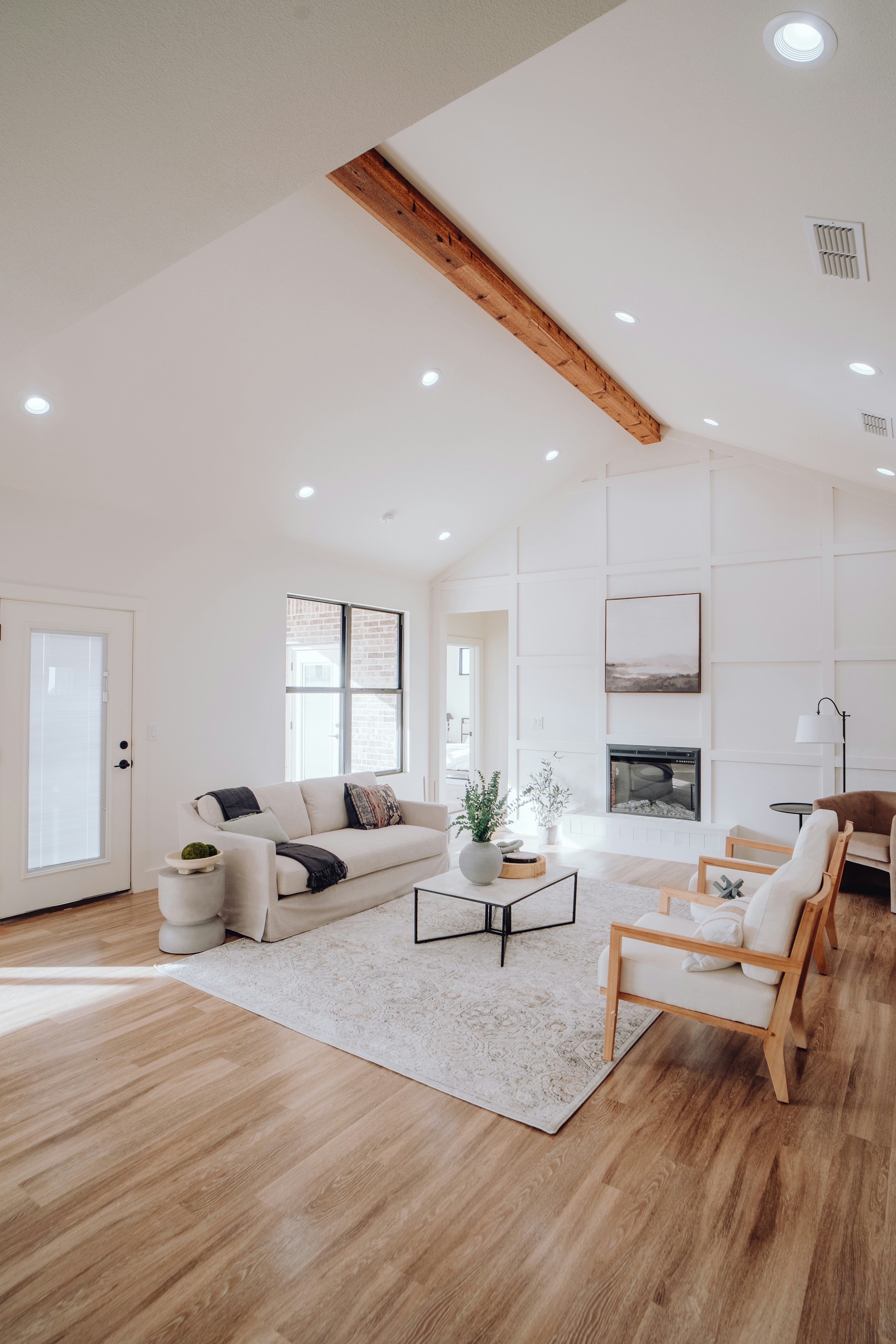
Recessed lighting is the single highest-impact electrical upgrade most Brooklyn homeowners make. Done right, it makes a 12-foot ceiling feel architectural and a small room feel larger. Done wrong, it creates harsh shadows and pock-marks the ceiling. Here's what good looks like — plus what it actually costs in 2025.
Why LED Wafer Lights Changed Recessed Installation
For decades, recessed lighting in Brooklyn meant cutting a 6-inch hole, fishing wire through plaster-and-lath, and dropping in a hot, energy-hungry can. In 2018, LED wafer lights took over.
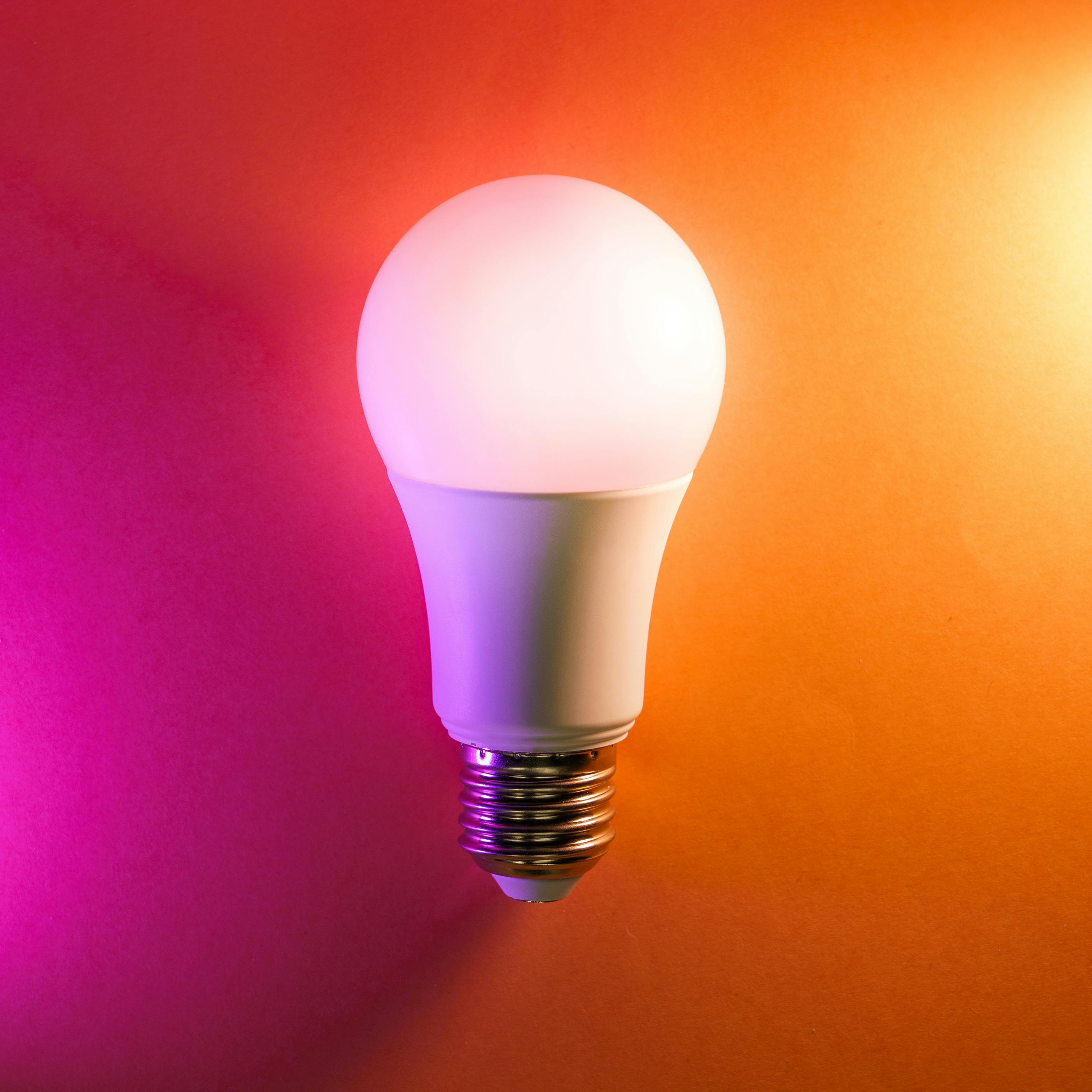
A wafer light is a thin LED disc with an integrated driver and a junction box that fits inside a typical ceiling cavity. Benefits versus traditional cans:
- Thinner profile — fits in shallow cavities (think: above kitchen soffits, in coffered ceilings, in pre-war plaster ceilings with limited depth)
- No can needed — the entire fixture sits flush in a 4-inch or 6-inch hole
- 85% less power — typical wafer is 9–18W vs. 65–75W for an incandescent can
- 20–25 year life — most fixtures outlast the room you put them in
- Cooler running — no insulation contact concerns in older homes (IC-rated by default)
The result: wafer lights are roughly 30% cheaper to install than traditional new-construction cans in retrofit scenarios, and they work in ceilings that wouldn't accept old-style cans at all.
Layout: How Many and Where
The Simple Rule
For general ambient lighting at 8-foot ceilings, place 4-inch wafer lights every 4 feet on center, starting 2 feet from each wall.
A 12'×14' Brooklyn living room (168 sq ft) typically uses 6 wafer lights in a 2×3 grid.
Layered Layout (Better)
Better layout uses three layers:
1. Ambient — evenly spaced wafer lights for general illumination
2. Task — focused fixtures over kitchens islands, work surfaces, or reading chairs
3. Accent — wall washers highlighting art or architectural features
A great living room layout might include:
- 6 ambient wafer lights in a grid
- 2 narrow-beam adjustable accents highlighting a fireplace or art wall
- 1 task pendant or table lamp at a reading chair
Where Not to Put Recessed Lights
- Directly over a bed (creates glare when lying down)
- Centered over a dining table (the table is fixed — a pendant works better)
- Outside the "useful" zone — too close to walls just lights the corners
Color Temperature: 2700K vs. 3000K vs. 4000K
| Kelvin | Look | Best For |
| --- | --- | --- |
| 2700K (warm white) | Incandescent-like, cozy | Living rooms, bedrooms, dining rooms |
| 3000K (soft white) | Slightly cooler, still warm | Kitchens, bathrooms, hallways |
| 4000K (neutral) | Hospital-like, alert | Garages, basements, workshops |
| 5000K+ (daylight) | Blue-cast | Generally avoid in residential |
Tunable-white fixtures can shift between 2700K–5000K from a single switch — worth the extra $20/fixture in primary living spaces. Lutron's Diva LED+ with tunable-white wafers is a Jetco favorite.
Dimming: Why You Need an LED-Compatible Dimmer
LED dimmers are not interchangeable. Many older dimmers cause LEDs to flicker, hum, or fail to dim below 30%. Use:
- Lutron Caséta LED+ (smart, wireless): Best long-term; works with Apple HomeKit, Google Home, Alexa
- Lutron Diva LED+ (wired): Affordable, reliable, no app needed
- Leviton Decora Smart LED: Solid alternative if you prefer Decora aesthetics
Match the dimmer to your specific wafer light — fixture manufacturers publish compatibility lists. Don't guess.
What Recessed Lighting Costs in Brooklyn (2025)
| Scenario | Per Fixture |
| --- | --- |
| 4" wafer retrofit, accessible ceiling, drywall | $135–$160 |
| 6" wafer retrofit, accessible ceiling, drywall | $145–$180 |
| Plaster-and-lath ceiling (more cutting/patching) | $185–$240 |
| New construction can in finished ceiling (rare) | $185–$275 |
| Tunable-white smart fixture | +$20–$45 |
| LED-compatible smart dimmer (per switch) | $80–$140 installed |
A typical 6-fixture Brooklyn living room: $900–$1,200 installed, including dimmer.
How Long Does Installation Take?
A 6-fixture single-room install typically takes 3–5 hours. A whole-floor install (20+ fixtures) takes a full day. Plaster ceilings add 1–2 hours total for patching.
Permits in NYC
Adding lighting fixtures to an existing circuit (not adding circuits or upgrading the panel) does not always require a permit — but adding a new switch leg or a new dedicated circuit does. We'll tell you during the walkthrough and file the permit if required.
Avoiding Common Mistakes
1. Spacing too tight. 2-foot spacing creates harsh hot spots. Stick to 4-foot grid for ambient.
2. Wrong color temperature. 4000K in a living room feels like a hospital. Default to 2700K or 3000K.
3. Cheap dimmer + LED. Causes flicker, buzz, and premature LED failure. Always use a verified compatible dimmer.
4. Skipping the patching budget. Plaster ceilings need patching — budget $20–$40/cut for the painter even after the electrician is done.
Our Process
1. Free in-home design. We walk the room and propose a layout.
2. Fixture selection. We help you pick beam angle, color temperature, and dimmer compatibility.
3. Single-day install. Most rooms are completed in 3–5 hours.
4. Dimmer programming. We set the dimmer min/max and demonstrate tunable-white scenes.
Call Jetco at (667) 455-6368 or [contact us](/#contact) for a Brooklyn recessed-lighting design.