Commercial Equipment Electrical Hookup in NYC: What Restaurant & Lab Owners Need to Know
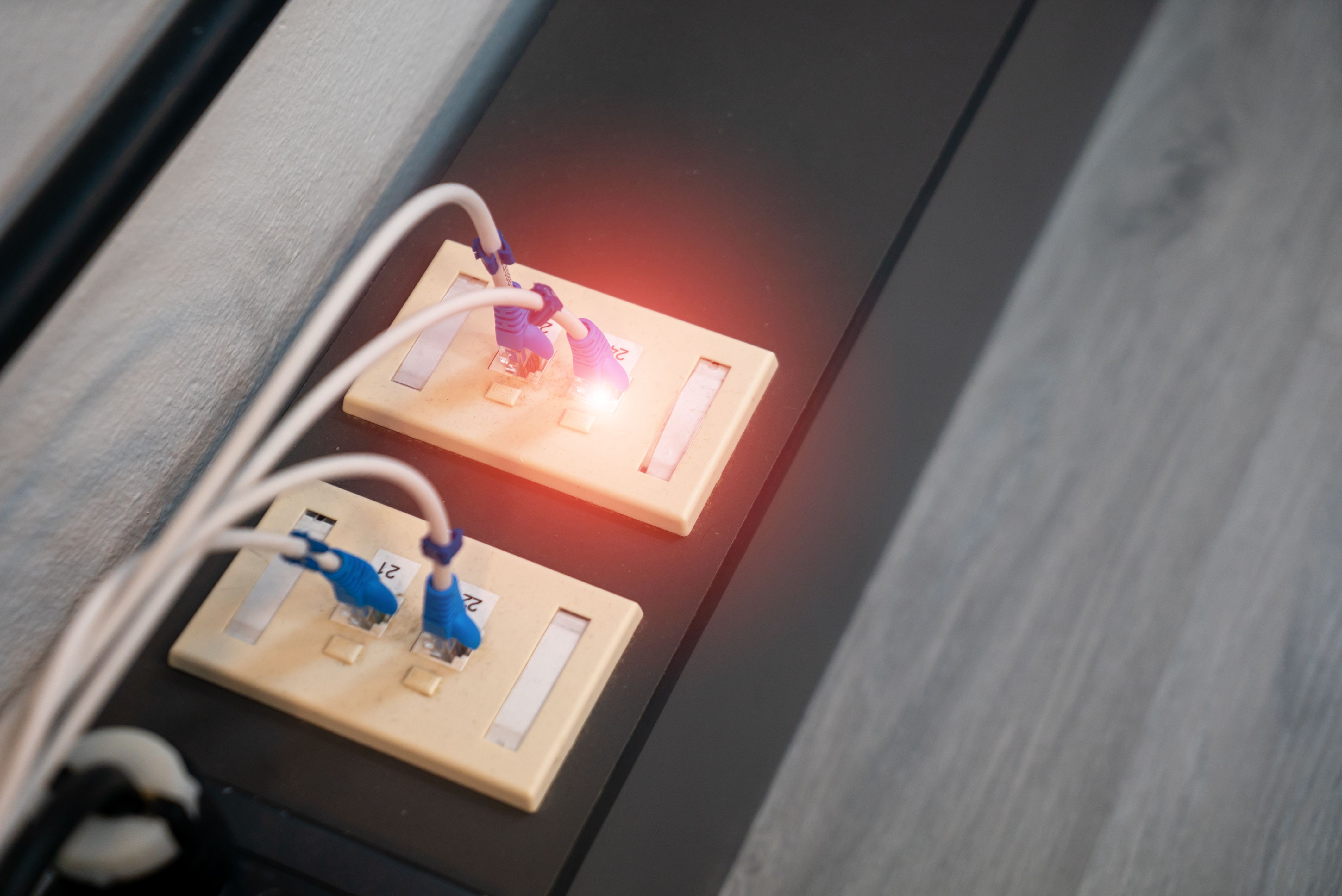
Bringing in a new combi oven, autoclave, espresso machine, or rack of medical equipment is rarely a "plug it in and go" affair in NYC. The equipment vendor delivers it. They don't wire it. That's where a professional electrical contractor comes in — and getting the hookup wrong can cost you weeks of downtime and a failed health-department or DOB inspection.
Read the Nameplate First — Then Build the Circuit
Every piece of commercial equipment has a nameplate. The numbers that matter:
- Voltage — 120V, 208V single-phase, 208V three-phase, 240V, or 480V
- Amperage (full-load amps, or FLA) — the steady-state current draw under normal operation
- Inrush or locked-rotor amperage — what it pulls at startup (often 3–6× FLA)
- Phase requirement — single-phase or three-phase
- MOCP (maximum overcurrent protection) — the largest breaker the manufacturer permits
The circuit must be sized to handle FLA at 125% (NEC 210.19) and the breaker must not exceed the MOCP. Get either wrong and the equipment manufacturer voids the warranty.
Dedicated Circuits Are Almost Always Required
Anything continuous-load over 1,200 watts (such as commercial refrigeration, ovens, autoclaves, or rack-mounted compute) belongs on a dedicated circuit. Sharing a circuit causes voltage drop that shortens motor life and trips breakers under normal use.
For Brooklyn restaurant kitchens, here's a typical circuit map:
- Combi oven: 208V/3Ø, 60A breaker, dedicated
- Walk-in compressor: 208V/3Ø, 30A breaker, dedicated
- Reach-in refrigeration: 120V, 20A, dedicated per unit
- Espresso machine (3-group): 240V/1Ø, 30A breaker, dedicated
- Ice machine: 120V, 20A, dedicated
- Salamander broiler: 240V/1Ø, 30A, dedicated
Permits Are Not Optional
Adding circuits, sub-panels, or three-phase service in NYC requires an electrical permit filed with the DOB. Health department signoff on a restaurant build-out depends on having that permit closed out. Skipping it means redoing the work twice — once illegally, once for the inspector.
When You Need a Service Upgrade
A typical Brooklyn 200A single-phase residential service cannot run a commercial kitchen. Most restaurant build-outs require:
- 400A single-phase service for small QSR locations
- 400A three-phase service for full-service restaurants with combi ovens
- 600A+ three-phase for ghost kitchens and commissaries
The lead time from ConEd for a new commercial service is 6–14 weeks. If you're building out a new lease, file early.
Equipment Assembly + Electrical Hookup in One Visit
Jetco coordinates with your equipment vendor or rigging company to assemble, mount, and power up in a single visit. We bring:
- Dedicated circuits pulled from the panel
- Manufacturer-spec disconnects (NEMA 1, 3R, or 4X as the location requires)
- Proper conduit (EMT or liquid-tight where required)
- A multimeter and amp clamp to verify operation under load
- Documentation for your DOB and health-department inspections
Common Mistakes We See
1. Using a 50A breaker because the receptacle is 50A. The receptacle has nothing to do with circuit sizing — the equipment FLA and conductor ampacity do.
2. Sharing a neutral on a three-phase circuit. Shared neutrals on a three-phase MWBC are dangerous and code-violating in most NYC contexts.
3. Installing a NEMA 14-50 when the equipment needs hardwired connection. Many commercial appliances require a permanent hardwired connection per the install manual.
4. Skipping the GFCI requirement on commercial kitchens. NEC 210.8(B) requires GFCI on most commercial kitchen receptacles. Health inspectors check.
Call Before You Buy
The most expensive mistake we see is restaurants and labs buying equipment without checking whether the existing service can support it. Send us a list of nameplate specs before you sign the purchase order and we'll tell you within 24 hours whether your panel and service can support it — or what upgrade will be required.
Call Jetco at (667) 455-6368 for a free commercial equipment assessment in Brooklyn, Queens, or Manhattan.