Residential vs. Commercial Electrical Service in Brooklyn: Why It's the Same Skill, Different Code
Brooklyn property owners often ask whether they should hire a "commercial" electrician for a retail build-out or a "residential" one for their home. The honest answer is that the underlying electrical skills are identical — but commercial work involves additional code sections, permitting paths, and equipment that residential-only contractors rarely encounter. Here's what separates the two and why a single contractor who handles both ends up being a smarter hire.
What's Genuinely Different
Service Sizes and Phases
Residential Brooklyn homes are almost always 120/240V single-phase. Commercial properties are frequently 120/208V three-phase (for restaurants, retail) or 277/480V three-phase (for larger commercial buildings).
Three-phase changes how circuits are sized, how motor loads behave, and how neutrals are routed (no shared neutrals on a multi-wire branch circuit without a common-trip breaker). An electrician who's never wired three-phase will improvise — usually badly.
Conduit Requirements
NYC commercial work requires conduit (EMT, IMC, or rigid) for almost every exposed circuit. Residential allows Romex (NM-B) cable in most concealed locations. Pulling conduit is a different skill set — bending, threading, supporting per code.
Permitting Path
Commercial work in NYC frequently requires:
- DOB filing with stamped electrical drawings
- Coordination with ConEdison for service changes
- Compliance with the local NYC Electrical Code amendments (which diverge from the base NEC)
- Health Department coordination for restaurants
- FDNY filings for assembly occupancies
Residential is typically simpler — but still requires DOB filing for panel work, service upgrades, and new circuits.
Inspection Schedules
Commercial inspections frequently happen mid-construction at rough-in stages. Residential is often a single final inspection. Missing a rough inspection on a commercial job can require opening walls back up — a nightmare.
Equipment
Commercial loads include three-phase motors, VFDs, large refrigeration compressors, neon signage transformers, kitchen exhaust hoods with interconnected fire suppression, and dedicated server-rack power. Residential rarely encounters any of those.
What's the Same
- Wire ampacity tables
- Breaker sizing for continuous loads (125%)
- GFCI and AFCI requirements (different application areas, same theory)
- Equipment grounding and bonding
- Permit filing and inspection with the NYC DOB
So an electrician who does both is qualified for both. A residential-only contractor expanding into commercial without the right experience is the risky hire.
Why Hiring One Contractor for Both Helps You
Single-Contractor Accountability
If your contractor is qualified and experienced in both, your home renovation and your commercial property maintenance run through the same office. No re-explaining your building. No different invoicing system. No conflicting estimates between sister contractors.
Better Pricing
Contractors with steady commercial work tend to bid residential work more efficiently. Truck rolls are amortized across more jobs. Materials inventory is broader.
Continuity for Multi-Use Buildings
Many Brooklyn buildings are mixed-use — retail downstairs, apartments above. A single contractor handling both means common-area work, multi-tenant metering, and life-safety systems are coordinated.
Common Brooklyn Project Types
Residential
- Whole-house rewires (most common in brownstones)
- 100A → 200A service upgrades
- EV charger installs
- Kitchen and bath remodels
- Recessed-lighting retrofits
- Smart-home conversions
- Generator installs
Commercial
- Restaurant build-outs (combi ovens, walk-ins, ventless hoods)
- Coffee shop and bakery service upgrades
- Multi-tenant retail tenant improvements
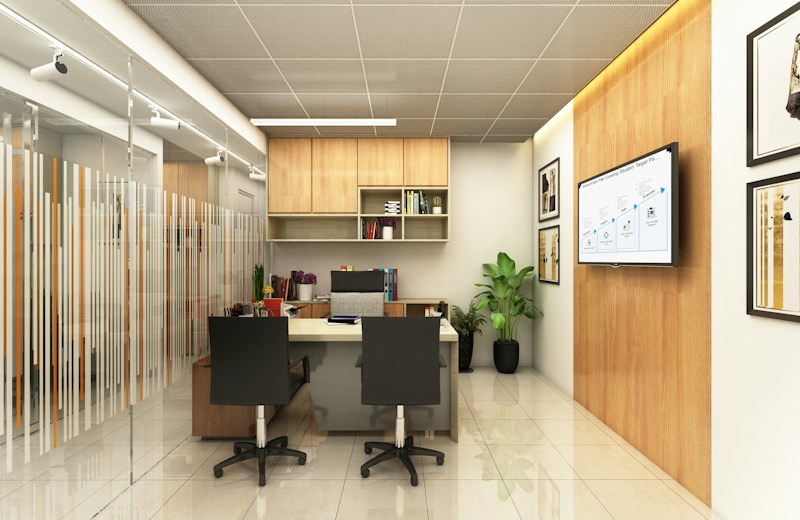
- Office build-outs (workstation power, AV, conference-room lighting)
- Light industrial maintenance contracts
- Laundromat equipment hookup
- Medical and dental office installs (with specialty grounding)
Mixed-Use
- Brownstone with ground-floor retail
- Multi-family with shared mechanical loads
- Live-work conversions in converted warehouses
What Quality Looks Like
A well-run electrical contractor — residential or commercial — has these traits in common:
1. Permits filed for every job that requires them, no exceptions
2. COI on file with the building before work begins (often required by coops and condos)
3. Daily site cleanup on commercial jobs; full cleanup at end of residential jobs
4. Labeled panels at the end of every job — no exceptions
5. Written workmanship warranty, typically 1 year
6. 24/7 emergency line that actually picks up
7. One contact person from estimate through final inspection
How Jetco Operates
We handle both residential and commercial work. We carry general liability, workers' compensation, and disability insurance. Most importantly, the same project manager who handles your home is the one available for your commercial property.
Call (667) 455-6368 or [contact us](/#contact) for residential or commercial electrical service in Brooklyn.