DIY vs. Professional EV Charger Installation: Why Safety Matters
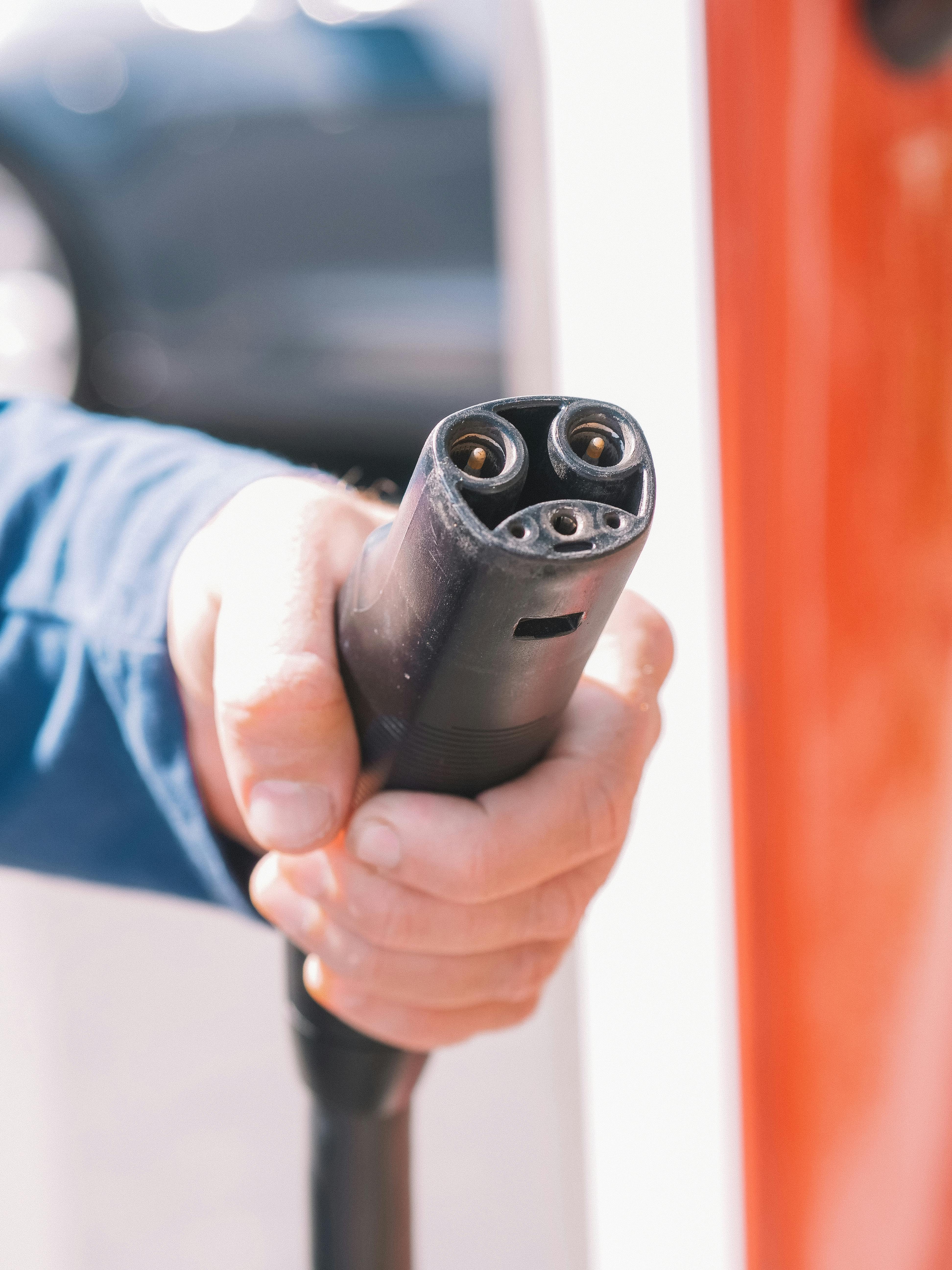
Can I Install an EV Charger Myself?
With EV charger prices dropping and YouTube tutorials everywhere, many homeowners wonder if they can save money by installing their own Level 2 EV charger. Here's why that's usually a bad idea.
The Short Answer: No
In NYC, electrical work must be permitted and inspected. DIY electrical work is:
- Illegal - Requires permits and a qualified contractor
- Dangerous - 240V circuits can kill
- Warranty-voiding - Most EV charger warranties require professional installation
- Insurance-affecting - Your policy may be void if fire results from DIY electrical
Why EV Charger Installation Isn't DIY
1. It's Not Just Plugging In
Installing a Level 2 EV charger involves:
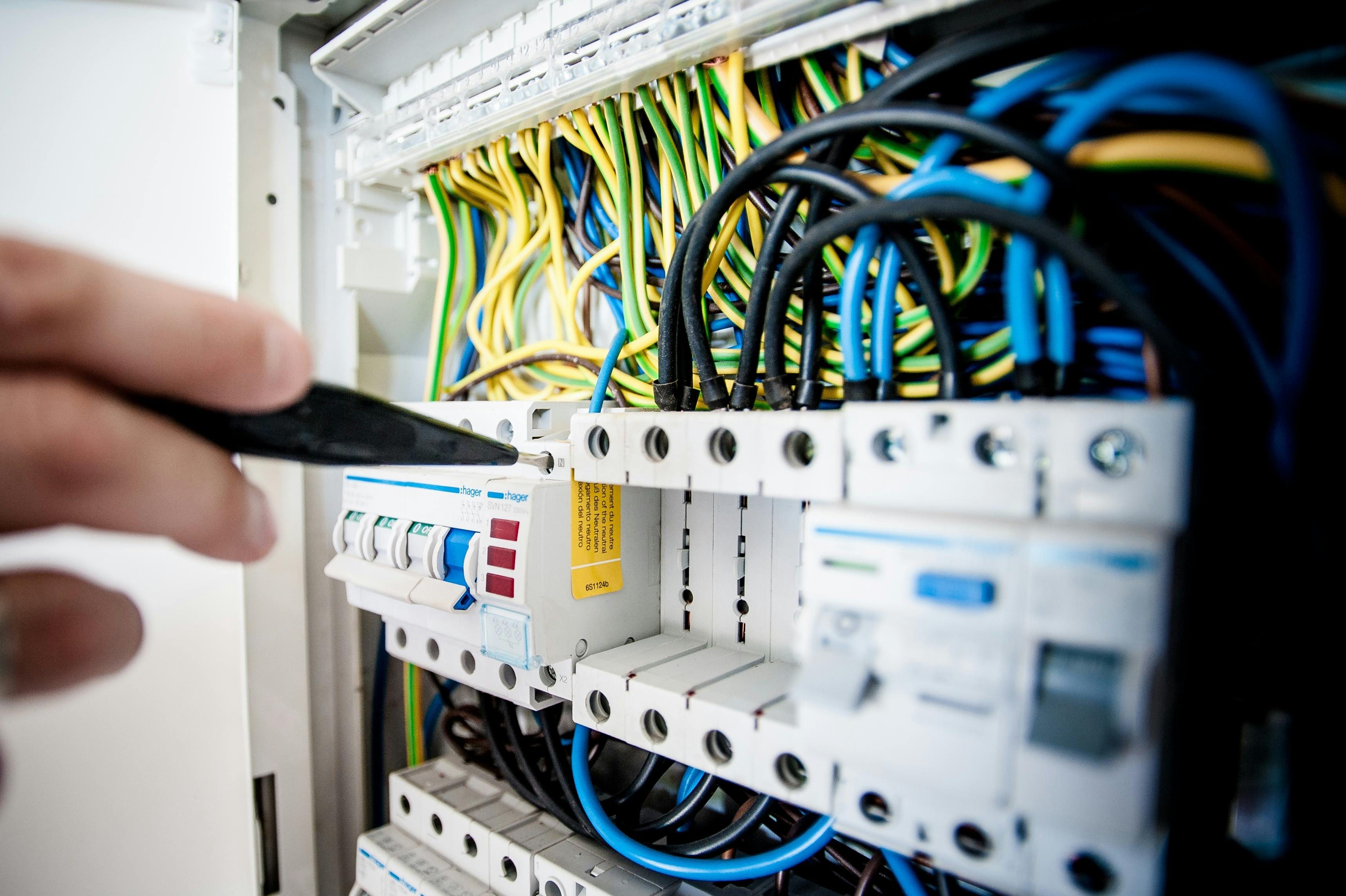
- Running new wire from panel to charger location
- Installing a dedicated 40-60 amp circuit
- Proper wire sizing calculations
- Correct breaker selection
- GFCI protection requirements
- Secure mounting and weatherproofing
- Code-compliant installation
2. The Voltage Is Dangerous
- Level 2 chargers use 240 volts
- This is the same as your dryer or stove
- Contact with 240V can cause:
- Severe burns
- Cardiac arrest
- Death
- Even experienced DIYers make fatal mistakes
3. Load Calculations Are Complex
Questions a professional answers:
- Can your panel handle another 40-60 amps?
- What's your current total load?
- Do you need a panel upgrade?
- What wire gauge is required for your run length?
- Do you need a subpanel?
Get these wrong and you risk:
- Fires from overloaded circuits
- Nuisance breaker tripping
- Underperforming charger
- Failed inspection
4. Permits Protect You
NYC requires permits for EV charger installation because:
- Inspector verifies safe installation
- Work is documented for insurance
- Future buyer knows work was done correctly
- Problems are caught before they cause fires
Without permit:
- Insurance may deny fire claims
- You may have to rip out work to sell home
- Fines if discovered
- No recourse if electrician did bad work
True Cost Comparison
DIY Attempt:
| Item | Cost |
|------|------|
| EV Charger | $400-700 |
| Wire and materials | $200-400 |
| Tools you don't have | $100-300 |
| Permit (if you even get one) | N/A in NYC for DIY |
| Your time | 8-20 hours |
| Risk of doing it wrong | ??? |
| Total | $700-1,400 + risk |
Professional Installation:
| Item | Cost |
|------|------|
| EV Charger | $400-700 |
| Professional installation | $800-1,500 |
| Permits and inspection | Included |
| Warranty protection | Included |
| Peace of mind | Included |
| Total | $1,200-2,200 |
The difference: $500-800 for guaranteed safety, code compliance, and warranty protection.
What Can Go Wrong with DIY
Actual Problems We've Fixed:
Wrong wire gauge:
- Homeowner used 10 AWG for 60 amp circuit
- Wire overheated inside wall
- Caught before fire, but barely
Improper grounding:
- No equipment grounding conductor
- Charger frame became energized
- Shock hazard every time it rained
Overloaded panel:
- Added 50 amp circuit to already-maxed panel
- Main breaker started tripping
- Couldn't use AC and charger together
No GFCI protection:
- Code requires GFCI for EV chargers
- Homeowner didn't know
- Failed inspection, had to redo
Improper outdoor installation:
- Used indoor-rated box outside
- Water infiltration
- Ground fault, damaged charger
When Professionals Save You Money
Scenario 1: Panel Upgrade Needed
A professional will tell you upfront if you need a panel upgrade. DIY approach often means installing charger, then finding out panel can't handle it, then paying for panel upgrade anyway.
Scenario 2: Optimal Routing
Professionals know the most efficient wire routes. DIY often means longer runs = more wire = more cost + voltage drop issues.
Scenario 3: Rebates and Credits
Professional installation qualifies for:
- Federal tax credit (30% up to $1,000)
- Utility rebates (varies)
- Tesla installation credits
DIY installation may not qualify.
Scenario 4: Problems Later
If something goes wrong with professional installation:
- Electrician's insurance covers it
- Warranty honored
- Repairs included
If something goes wrong with DIY:
- You pay for repairs
- Warranty void
- Insurance may deny claims
Professional Installation Process
What You Get:
1. Site Assessment
- Panel capacity evaluation
- Optimal charger location
- Wire route planning
- Cost estimate
2. Permitting
- We handle permit application
- All paperwork completed
- Coordination with inspectors
3. Installation
- Proper circuit installation
- Code-compliant work
- Clean, professional finish
- Tested and verified
4. Inspection
- We schedule the inspection
- We're present for inspector
- Any issues addressed immediately
5. Handoff
- Show you how to use charger
- Explain charging best practices
- Provide documentation
EV Charger Installation in Brooklyn
Brooklyn presents unique installation challenges:
Brownstones:
- Long runs from basement panels
- Outdoor installation often needed
- Aesthetic considerations
Apartments/Condos:
- Board approval required
- Dedicated meter may be needed
- Shared garage complications
Street Parking:
- No home charging option
- Consider workplace charging
- Public charging maps
A professional helps navigate these challenges.
Ready for Your EV Charger?
Jetco Electrical installs EV chargers throughout Brooklyn:
✓ All major brands (Tesla, ChargePoint, JuiceBox, etc.)
✓ Complete permit handling
✓ Utility coordination
✓ Panel upgrades if needed
✓ Clean, professional installation
Free site assessment and quote.
Call: (667) 455-6368