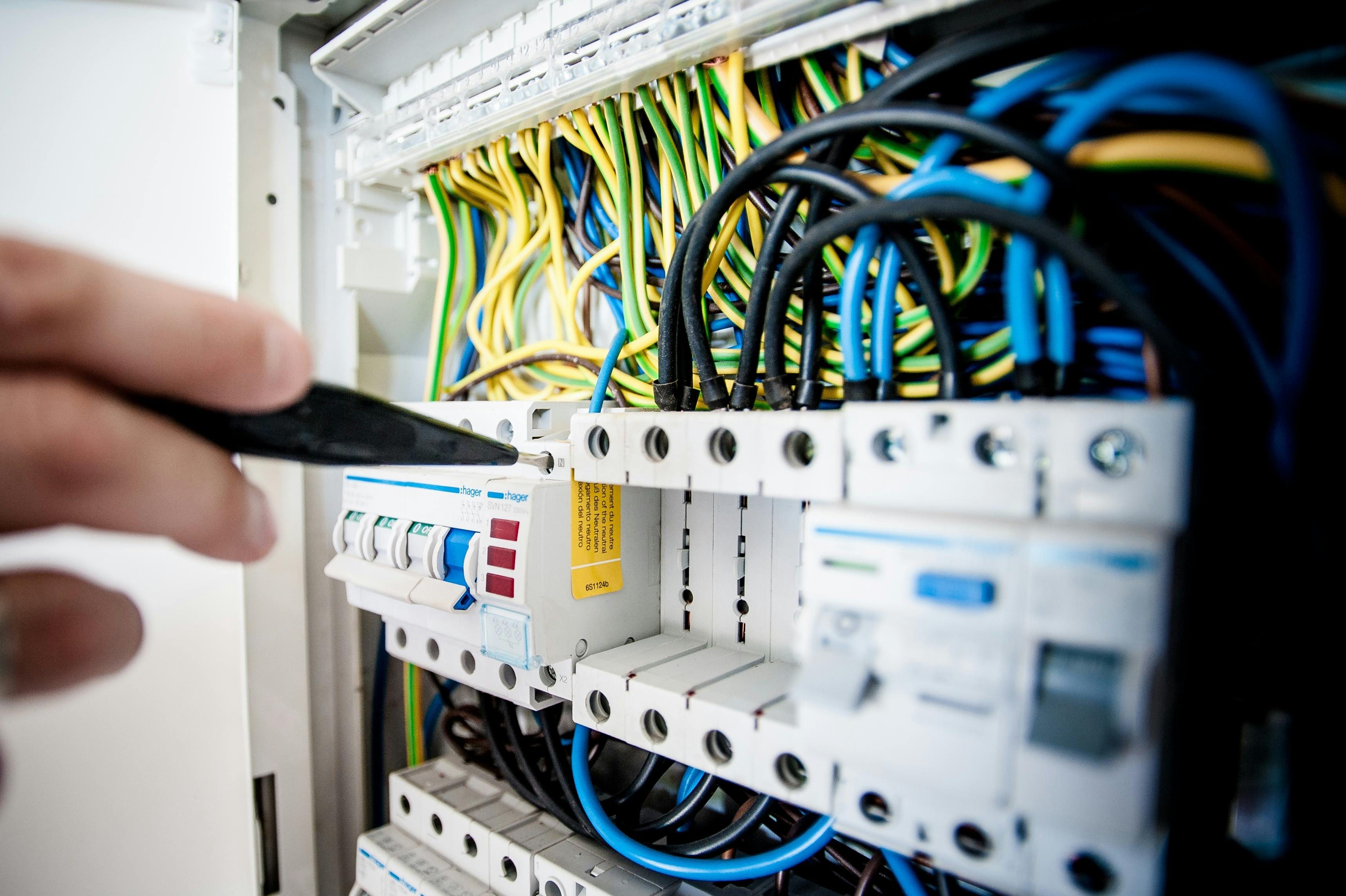
7 Warning Signs Your Older Home Is Overdue for a Rewire
Signs Your Home Needs a Complete Rewire
Brooklyn is full of beautiful older homes - brownstones, pre-war apartments, and mid-century houses. But that charm often comes with outdated electrical systems that are overdue for replacement.
7 Warning Signs You Need Rewiring
1. Your Home Was Built Before 1980
Why it matters:
Homes built before 1980 may have:
- Knob and tube wiring (pre-1950) - No ground wire, deteriorating insulation
- Cloth-covered wiring (1920s-1960s) - Insulation crumbles with age
- Aluminum wiring (1965-1973) - Expands/contracts, loosens connections
- Undersized wiring - Not designed for modern electrical loads
What to do: Schedule an electrical inspection to assess your wiring condition.
2. You Have a Fuse Box Instead of Circuit Breakers
Why it matters:
- Fuse boxes indicate 60+ year old electrical systems
- No overcurrent protection like modern breakers
- Often undersized (30-60 amps vs. modern 200 amps)
- Temptation to use wrong fuse sizes creates fire risk
What to do: Budget for a panel upgrade, which often reveals need for rewiring.
3. Your Outlets Are Two-Prong (Ungrounded)
Why it matters:
- Two-prong outlets mean no equipment ground
- Connected to ungrounded wiring throughout home
- Can't safely use three-prong devices
- Surge protectors won't work properly
What to do: Don't just replace outlets - the wiring needs grounding too.
4. Lights Dim or Flicker When Appliances Run
Why it matters:
- Indicates circuits can't handle load
- May mean undersized wiring
- Could indicate loose connections
- Suggests overall system inadequacy
What to do: Have an electrician perform load testing on your circuits.
5. You Smell Burning with No Visible Source
Why it matters:
- Burning smell means something is overheating
- Could be insulation on wiring
- May be happening inside walls
- Precursor to electrical fire
What to do: Turn off power to affected area and call electrician immediately.
6. You Use Lots of Extension Cords and Power Strips
Why it matters:
- Indicates not enough outlets for your needs
- Extension cords are temporary, not permanent solutions
- Overloading creates fire hazard
- Shows electrical system can't meet modern demands
What to do: Add outlets properly - which may require updated wiring.
7. Outlets Feel Warm or Spark When Used
Why it matters:
- Warmth indicates resistance and overheating
- Sparking means arcing, which causes fires
- Both indicate failing connections or wiring
- Problems likely exist throughout system, not just one outlet
What to do: Stop using the outlet and have entire system evaluated.
Types of Dangerous Wiring in Brooklyn Homes
Knob and Tube (Pre-1950)
Identifying features:
- Ceramic knobs holding wires
- Ceramic tubes through joists
- Wires run separately (not in cable)
- Often visible in basement/attic
Dangers:
- No ground wire
- Insulation deteriorates
- Not designed for modern loads
- Fire hazard when covered with insulation
Cloth-Covered Wiring (1920s-1960s)
Identifying features:
- Fabric/cloth covering on wires
- May be combined with rubber insulation
- Often black or brown covering
Dangers:
- Cloth becomes brittle
- Insulation crumbles away
- Exposes live wires
- Fire and shock hazard
Aluminum Wiring (1965-1973)
Identifying features:
- Silver-colored wire at outlets
- "AL" stamped on wire
- Common in this era due to copper costs
Dangers:
- Expands more than copper when heated
- Connections become loose over time
- Oxidizes and creates resistance
- Fire hazard at connections
What Rewiring Involves
Not as Scary as It Sounds
Modern rewiring techniques minimize disruption:
Fishing wires: Running new wires through existing walls without major demolition
Strategic openings: Small holes that are easily patched
Organized approach: Working room by room to maintain livability
What's Included:
- New copper wiring throughout
- Modern circuit breaker panel
- Grounded outlets in all locations
- Dedicated circuits for major appliances
- GFCI protection in wet areas
- Arc-fault protection for bedrooms
- Smoke detector circuits
Timeline:
- Small apartment: 3-5 days
- Average home: 1-2 weeks
- Large home: 2-3 weeks
Brooklyn Rewiring Costs
Factors Affecting Cost:
- Square footage
- Number of circuits needed
- Building type (brownstone costs more)
- Accessibility of walls
- Amount of demolition needed
Typical Ranges:
- 1-bedroom apartment: $5,000-8,000
- 2-3 bedroom home: $8,000-15,000
- Large brownstone: $15,000-30,000
What Affects the Higher End:
- Plaster walls (harder to fish wire)
- Multi-story buildings
- Inaccessible areas
- Extensive demolition needed
- Premium materials requested
Why Brooklyn Homes Need Rewiring
Historical Building Challenges:
- Pre-war brownstones with knob and tube
- Post-war buildings with aluminum wiring
- Mixed wiring from multiple updates
- Unpermitted work over decades
Modern Demands:
- Air conditioning (didn't exist when built)
- Computer equipment
- Kitchen appliances
- EV chargers
- Smart home systems
Insurance Issues:
- Many insurers won't cover homes with knob and tube
- Premiums higher for outdated wiring
- Claims may be denied if fire traced to old wiring
Is Rewiring Worth It?
ROI Considerations:
Safety: Priceless - rewiring prevents fires
Home value: Adds $5,000-20,000 in value
Insurance: May save $500-1,000/year on premiums
Functionality: Actually use modern appliances
Peace of mind: No more worrying about electrical fires
Free Wiring Assessment
Not sure if your Brooklyn home needs rewiring? We offer free assessments:
✓ Visual inspection of accessible wiring
✓ Panel evaluation
✓ Load testing
✓ Honest recommendation
✓ Detailed quote if needed
No obligation. No pressure.
Call: (667) 455-6368